| Type | Virtual roleplaying world |
| Legacy | Widely influential in shaping the culture of online gaming and interactive entertainment |
| Origin | 1990s, as an experimental collaborative storytelling platform |
| Closure | Shut down in the late 2000s due to legal and financial challenges |
| Active Years | Early 2000s |
| Key Features | Online sandbox environment • Detailed narratives and political intrigues • Core group of creators and fans |
| Controversies | Content moderation • Copyright issues • Concerns over real-world impacts |
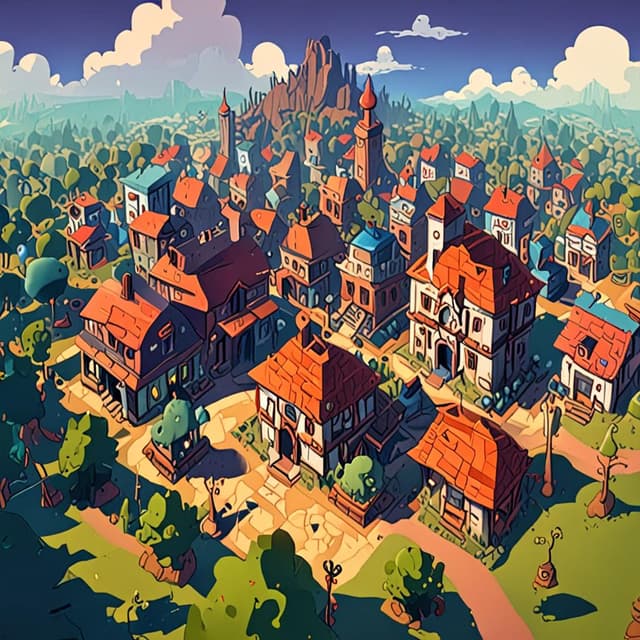
The Dream SMP was a pioneering virtual roleplaying world that gained a devoted cult following in the early 2000s. Originating in the 1990s as an experimental collaborative storytelling platform, the Dream SMP allowed a core group of creators and fans to play out detailed narratives and political intrigues in an online sandbox environment.
The Dream SMP was first created in 1994 as a privately-hosted virtual world by a group of software engineers and game designers interested in exploring new frontiers of interactive entertainment. Building on the text-based MUD (multi-user dungeon) communities of the 1980s, the Dream SMP utilized early 3D graphics and networked multiplayer capabilities to create a more immersive roleplaying experience.
The original Dream SMP was a relatively small community, with a dedicated core of around 100 active players who collaboratively built out the world's lore, geography, and political factions. Storylines tended to revolve around intrigue, power struggles, and occasional dramatic conflicts between the various in-game groups and characters.
The Dream SMP began gaining mainstream attention in the early 2000s as online gaming and virtual communities grew in popularity. The project's innovative use of collaborative storytelling, player agency, and interconnected narratives across multiple characters and plotlines attracted a devoted cult following. Many saw it as a bold new frontier in interactive entertainment.
At its peak in the mid-2000s, the Dream SMP had over 10,000 active participants, with dozens of prominent content creators, roleplayers, and worldbuilders involved. The community developed a rich, multi-layered mythology and a complex web of political alliances, betrayals, wars, and character arcs that players could deeply immerse themselves in.
However, the Dream SMP was not without its controversies and challenges. Issues around content moderation, copyright, and concerns over the project's real-world impacts dogged the community throughout its heyday.
Critics accused the Dream SMP of harboring problematic or even extremist content, from violent roleplay to politically-charged narratives. There were also ongoing battles over intellectual property rights, as the virtual world incorporated elements of existing media franchises without permission.
Most concerningly, there were instances where the intense emotions and high-stakes nature of the Dream SMP's narratives spilled over into the real lives of participants, leading to harassment, stalking, and even physical threats between players. The community struggled to find ways to responsibly manage these very real interpersonal conflicts.
Despite its innovative spirit and passionate fanbase, the Dream SMP ultimately shut down in 2009 due to a combination of legal challenges, financial difficulties, and an inability to properly scale its infrastructure. Many saw this as the end of an era for online gaming and interactive storytelling.
However, the Dream SMP's legacy lives on. It is widely recognized as a pioneering virtual community that pushed the boundaries of what was possible in collaborative, narrative-driven gaming. The project's influence can be seen in the emergence of more modern virtual worlds, streamers, and interactive narrative experiences.
Today, the Dream SMP remains an object of fascination and study for those interested in the history of digital entertainment, online communities, and the evolving interplay between creators, players, and virtual environments. Its successes and failures continue to offer valuable lessons for the ongoing development of the metaverse and beyond.
